Behind the Scenes
What does it take to start a revolution?
Carolina Rising’s success is the result of more than a decade of dedicated work, research, and collaboration from a multitude of supporters, historians, and innovators. Aligned by historically accurate and authentic sources, stories from over two centuries ago are brought back to life for present-day visitors to discover, learn, and be inspired.





1780-1787
The Southern Campaign Turns the Tide
of the American Revolution

Carnegie’s libraries were built according to the “Carnegie Formula,” which required matching financial commitments from local partners.

1914-2014
Gaffney's Historic Carnegie Library:
A Legacy of Partnership
Carnegie Library is located across from City Hall and along Gaffney’s Main Street and provides a compelling location within which to tell the story of the Southern Campaign of the American Revolution. Built in 1914, the Gaffney Carnegie Library was one of more than 2,500 libraries funded across the world by Andrew Carnegie. Carnegie made his fortune in the steel industry during the industrial revolution and late in his life became a devoted philanthropist. When Carnegie died in 1919, he had given nearly 90% of his fortune to causes in which he believed; his gifts to various charities totaled nearly $350 million.
The Gaffney Carnegie Library operated as a library until the early 70s. Most recently, the historic building served as offices for Cherokee County until their new government campus opened in 2014. The County has provided the building to the City of Gaffney to create Carolina Rising.
1950-2026
Firmly Grounded: Historical Research
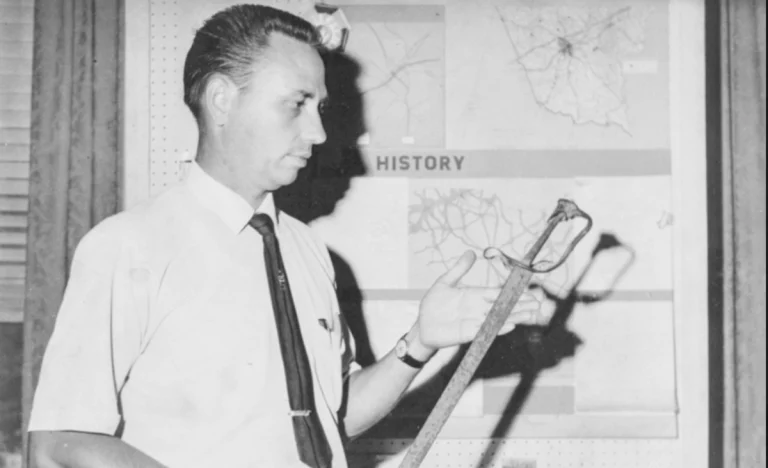
Carolina Rising is firmly grounded in historically-preserved personal accounts from primary sources. As early as the 1950s, Dr. Bobby Gilmer Moss began researching and compiling records, rosters, and documentation of the history of present-day Cherokee County, SC. After his death, LeighAnn Moon continued to build upon his work, charting geographic insights and recording the personal stories of those names found in the late Dr. Moss’s rosters. This dedicated work laid the foundation for the content of Carolina Rising – real stories, real tensions, and real emotions brought back to life through innovation.

1932-2015
Dr. Bobby Gilmer Moss
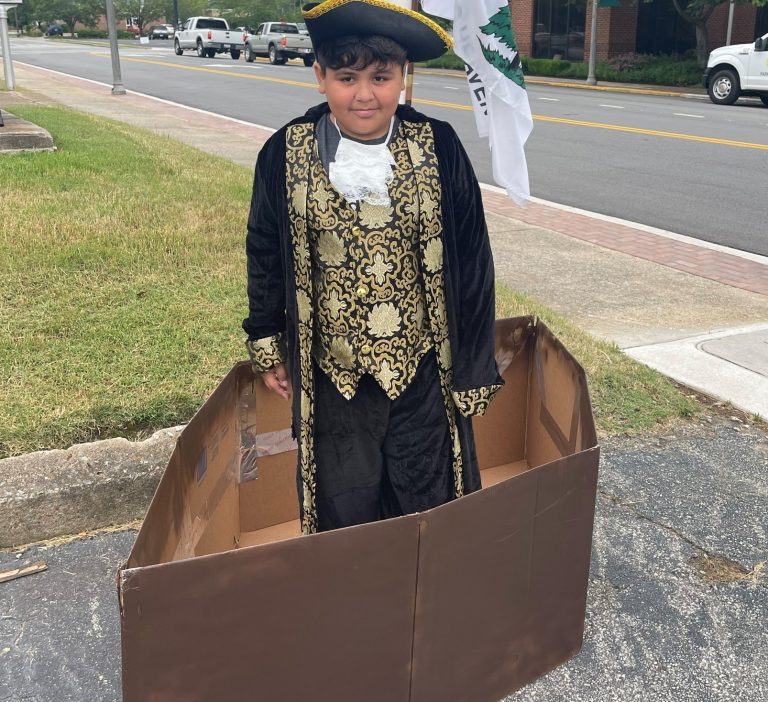
Dr. Bobby Gilmer Moss of Blacksburg, South Carolina, was a distinguished historian whose lifelong work focused on preserving the history of Cherokee County and the Southern Campaigns of the American Revolution. Through decades of meticulous research, he documented the lives of both prominent leaders and ordinary citizens who played roles in the struggle for independence, helping illuminate South Carolina’s critical contribution to the Revolutionary War. The author or editor of more than twenty-six books, Dr. Moss became one of the state’s most respected authorities on Revolutionary War history in the South. He was also recognized as the founder of the Cherokee Historical and Preservation Society (CHAPS), an organization dedicated to safeguarding the region’s historical resources. Through his scholarship, teaching, and public lectures, Dr. Moss inspired generations to value and preserve South Carolina’s heritage. Before his passing in 2015, he received numerous honors recognizing his contributions to historical research and preservation, including the Order of the Palmetto, the state’s highest civilian award, and an honorary Doctor of Humane Letters from Limestone College.






October 2024 - April 2026
Vision and Fundraising
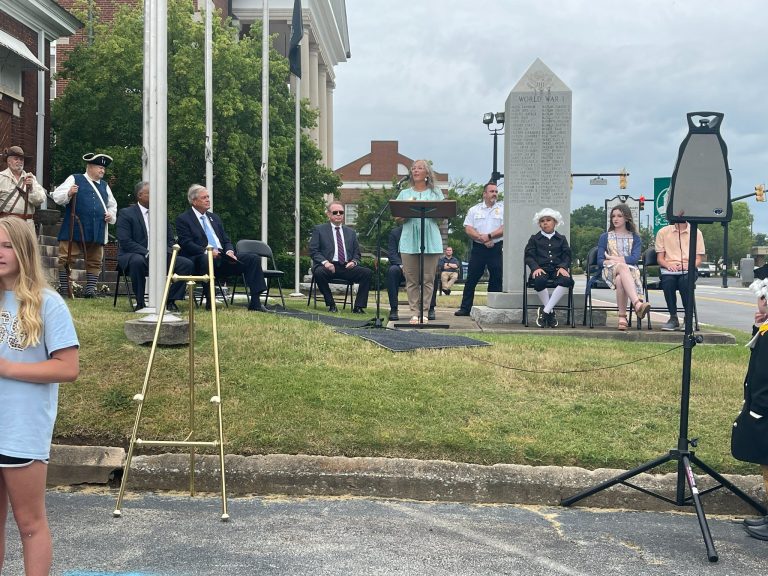
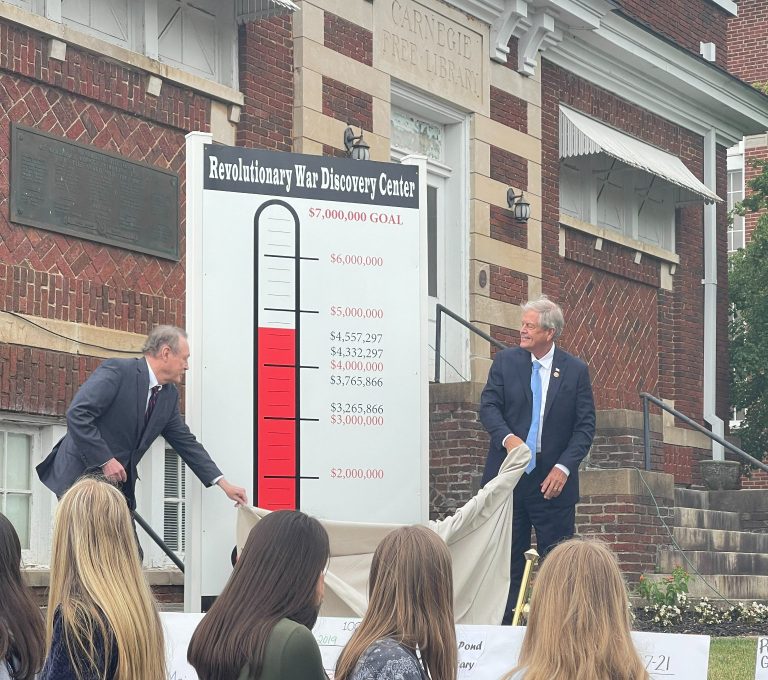
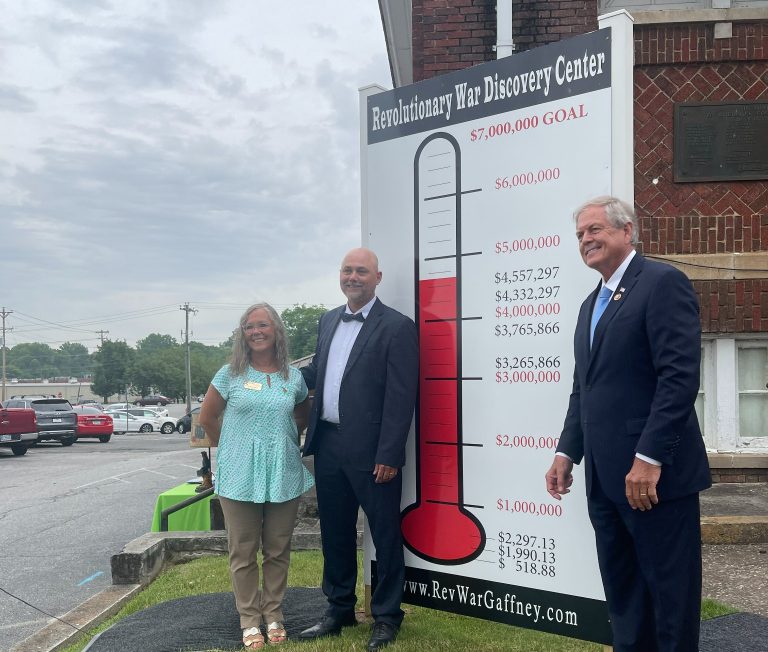
When Cherokee County vacated its administrative offices from the Carnegie Library, the City of Gaffney secured $7.3 million in grant funding and contributions from local schools, county and national partners, and private supporters to renovate the building into what was then called a “Revolutionary War Discovery Center”, or “RWDC”. As the vision developed, the Revolutionary War Discovery Center was rebranded into the Carolina Rising Museum.
October 2024 - April 2026
Content Development
Carolina Rising combined authentic stories from historic personal accounts with innovative model-capture technology. This coordinated approach enabled the thrilling, yet historically-accurate, re-enactment of real stories from the colonial backcountry.
Local
Stories
The Dr. Bobby G. Moss Research Library at the Gaffney Visitors Center and Art Gallery served as the primary research center for Carolina Rising’s content, housing bookcases filled with research conducted by Dr. Moss and LeighAnn Moon while also hosting meetings and mapping sessions that helped pinpoint the locations of events throughout present-day Cherokee County and the surrounding area.
International Technology
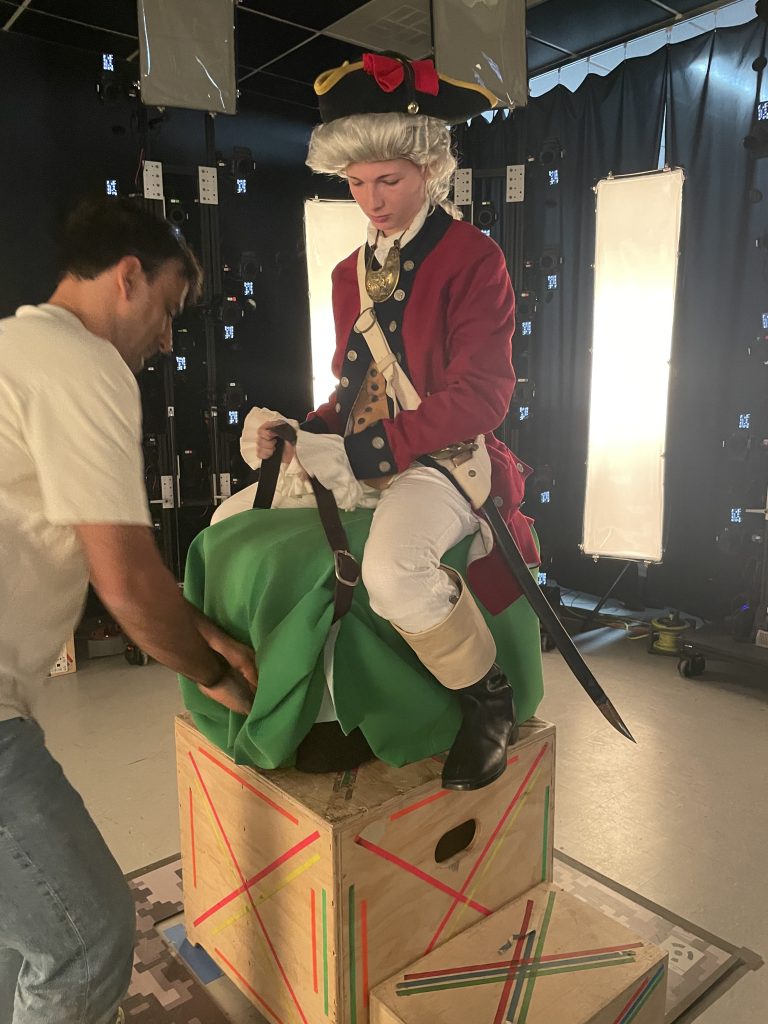
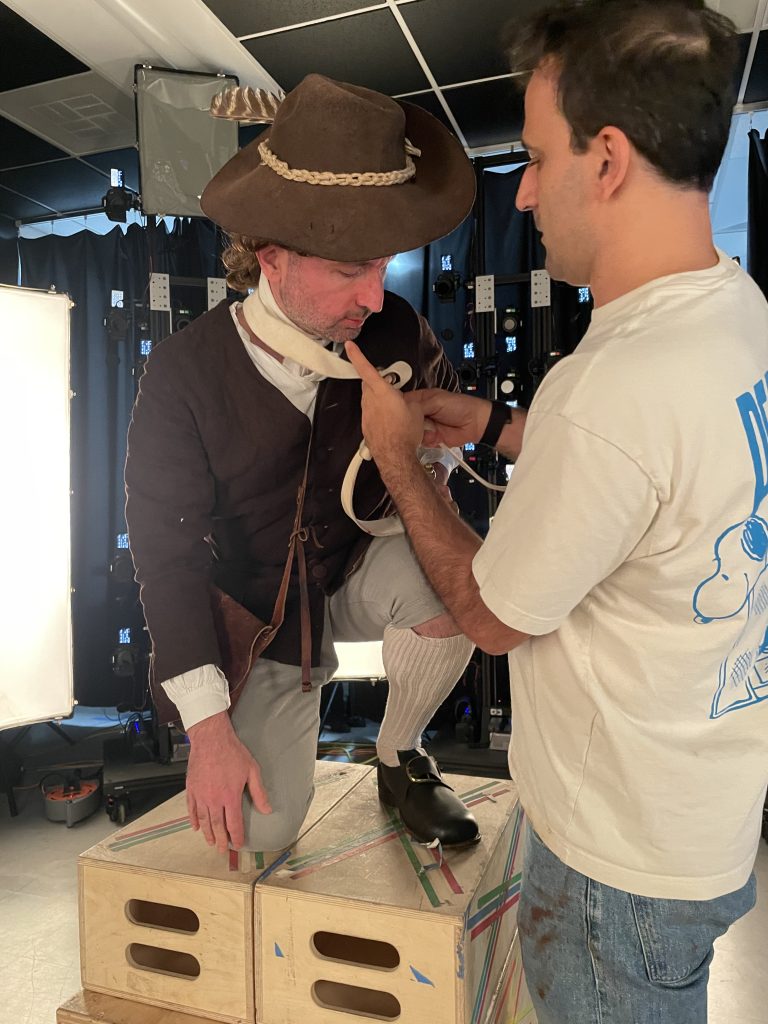
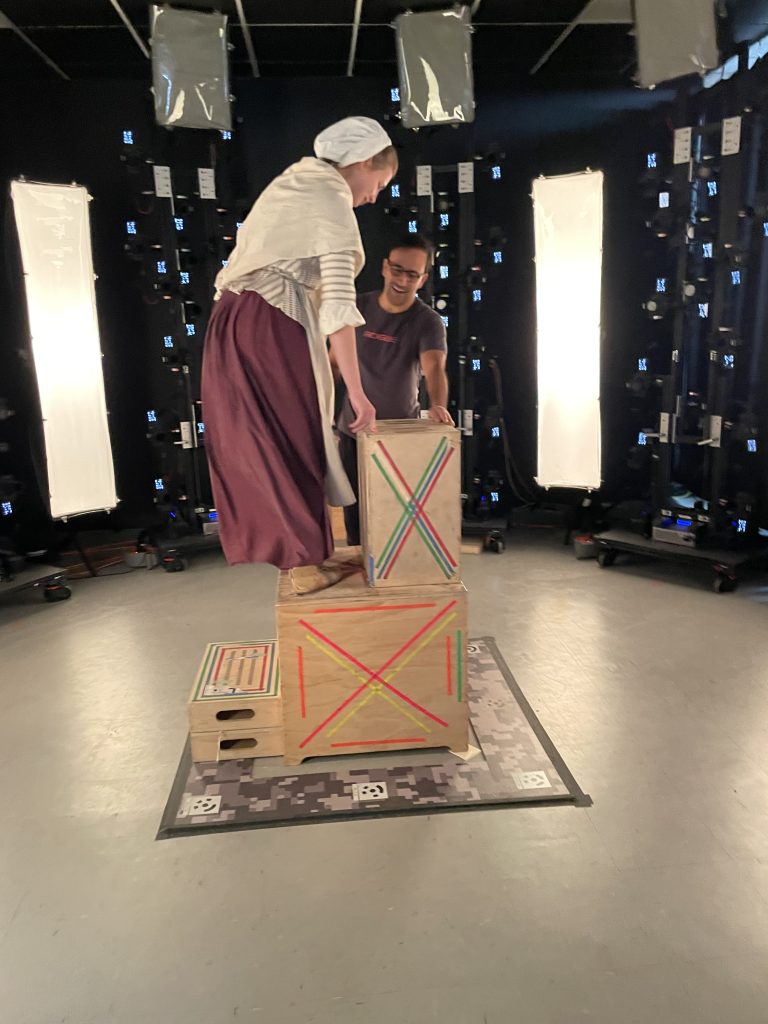
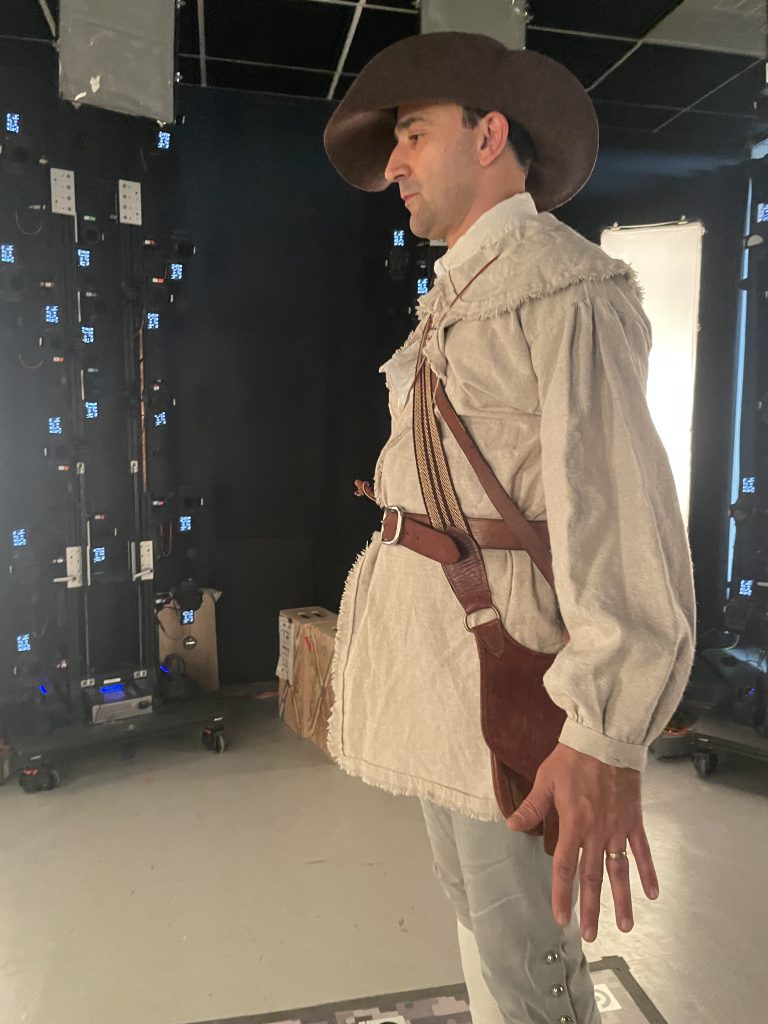
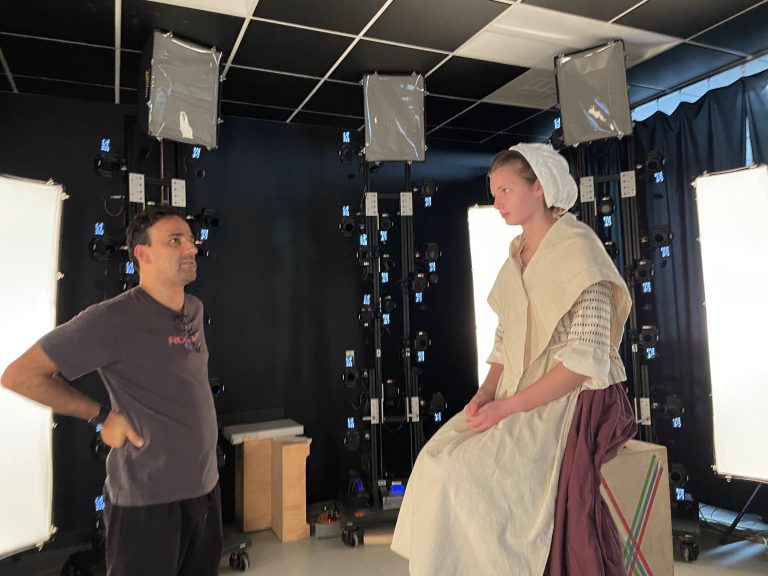
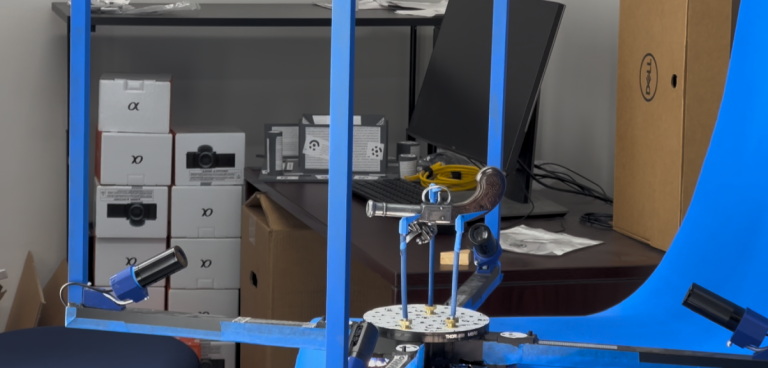
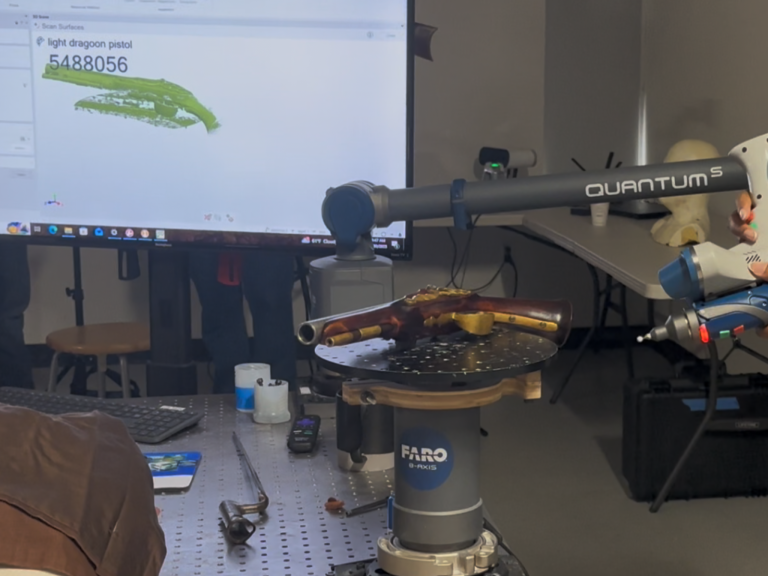
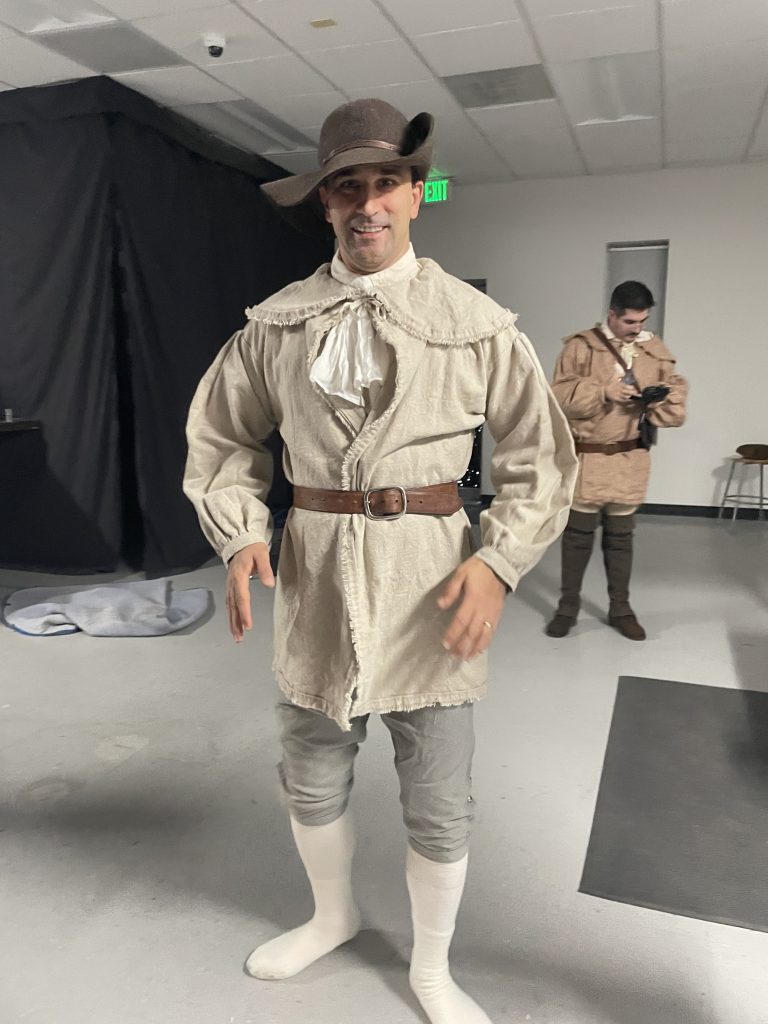
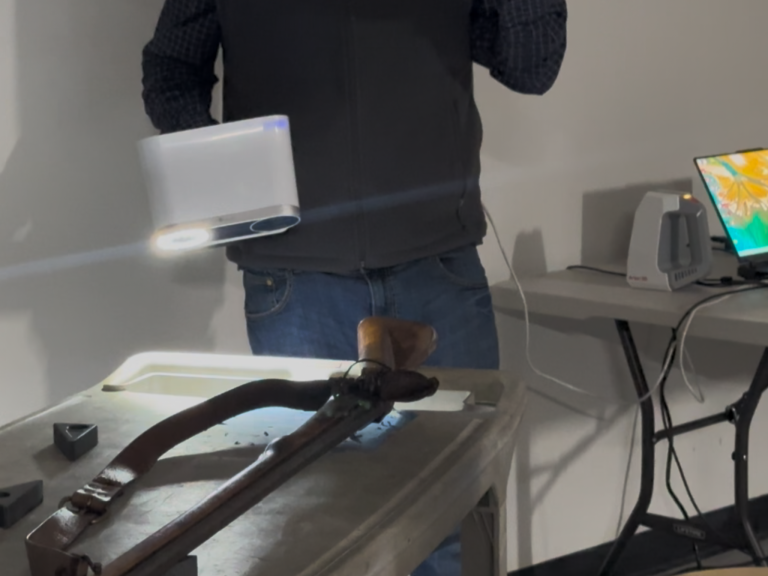
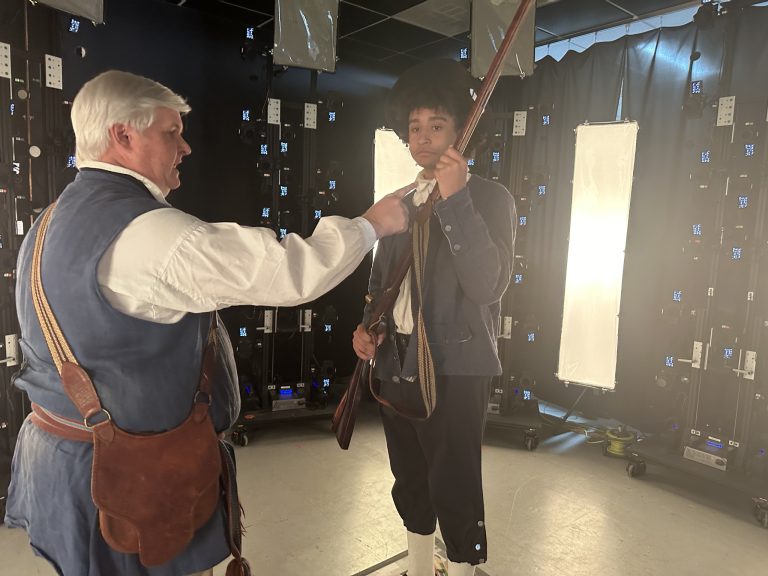
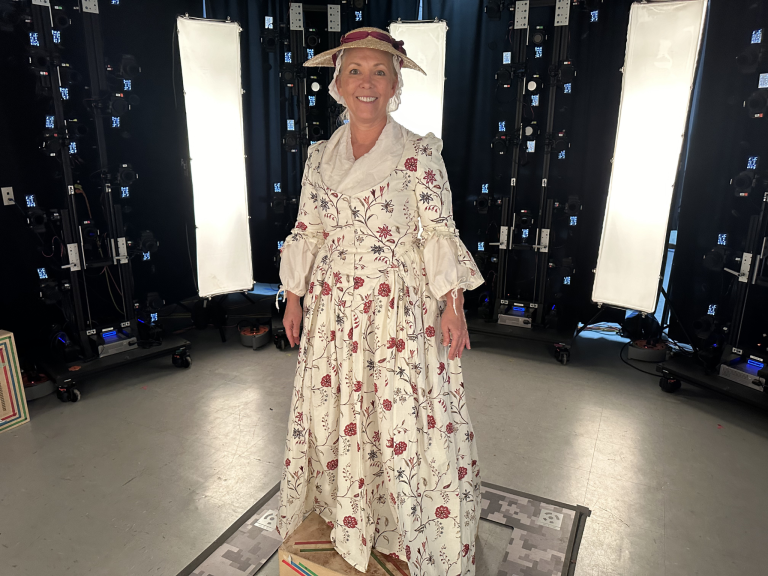
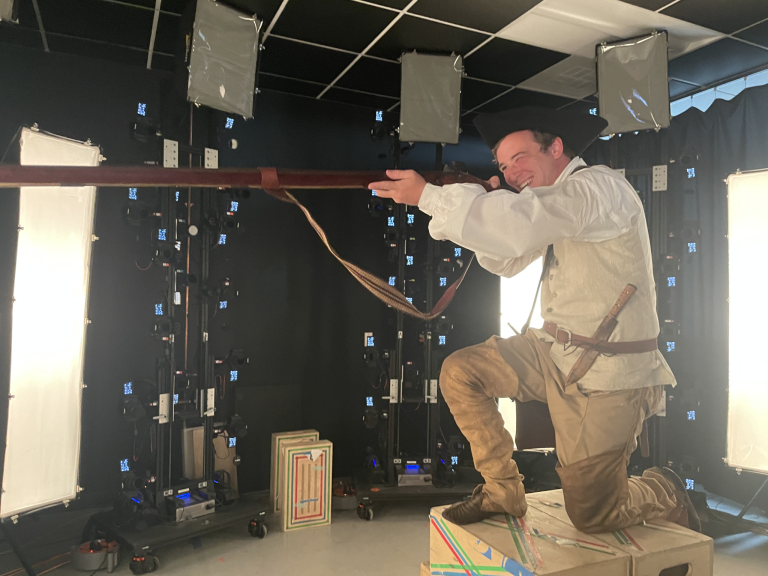
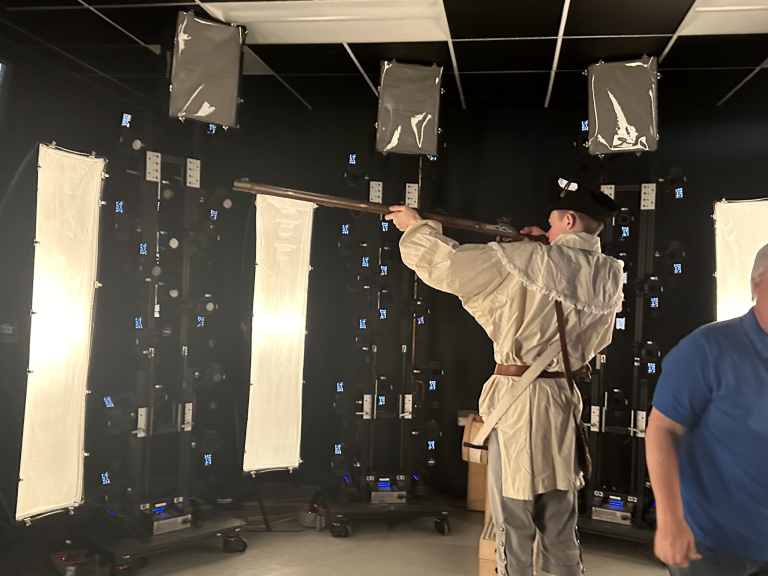
In collaboration with Timelooper and Direct Dimensions, photogrammetry and LIDAR scanning were used to capture 3D models and textures of live actors and accoutrements for use in the Carolina Rising Museum’s holograms and immersive theater. The holograms are brought to life in real-time through localized, authentic artificial intelligence that uses primary source documents to inform each character’s responses.








October 2024 - April 2026
Construction
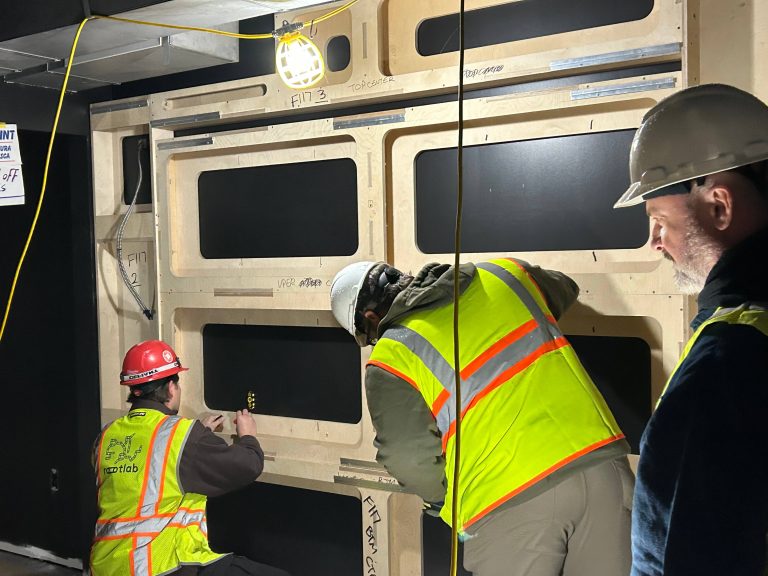
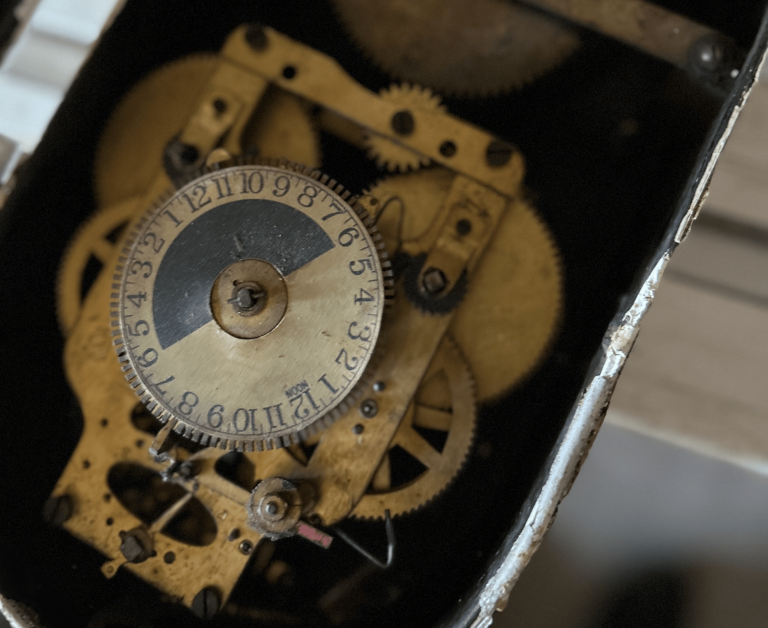
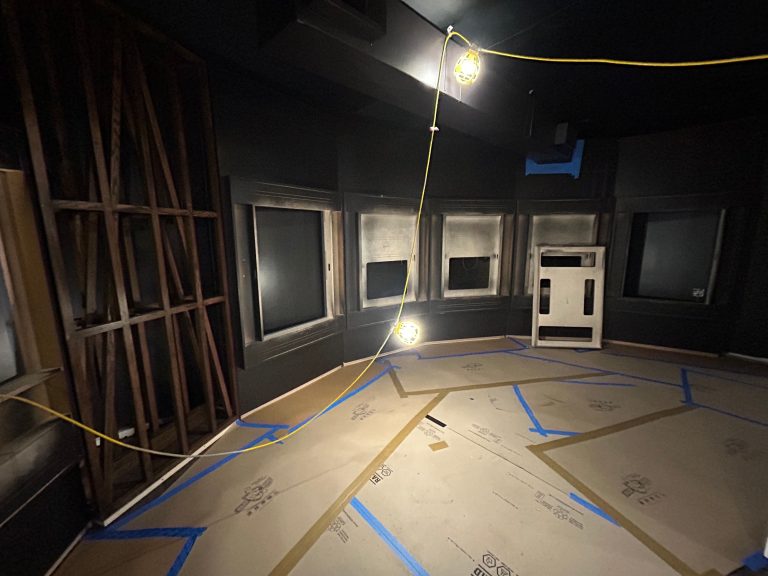
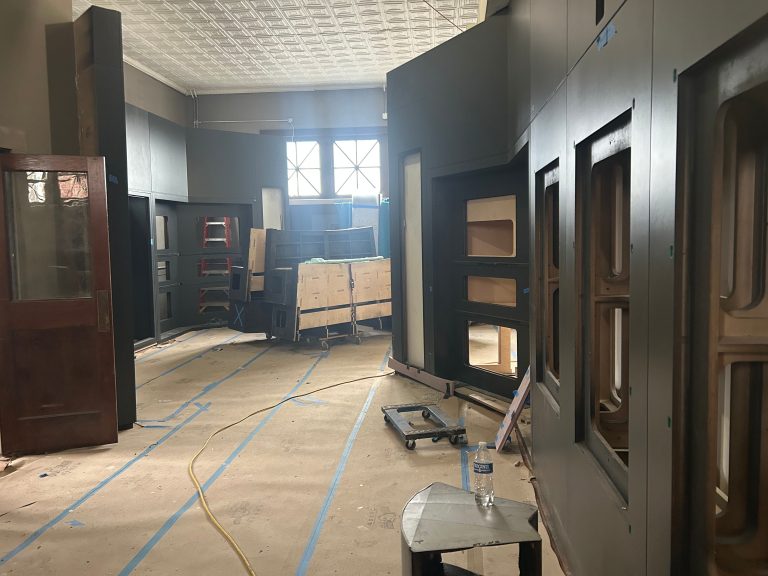
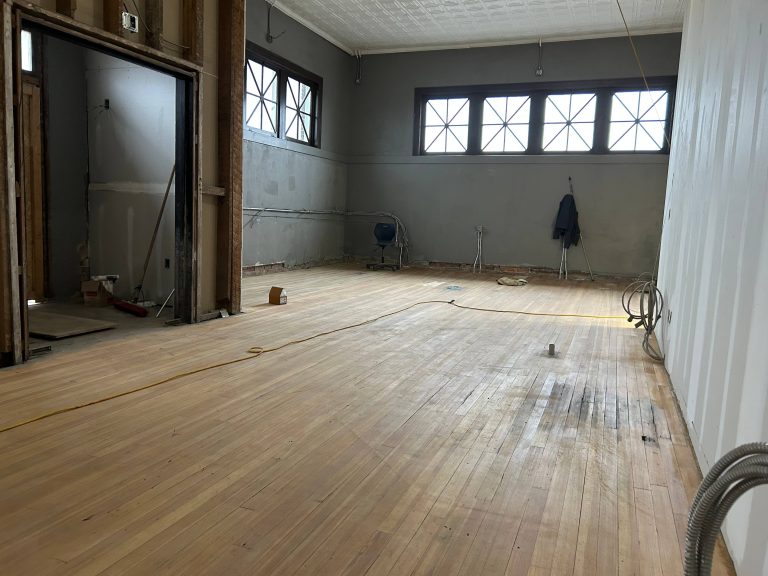
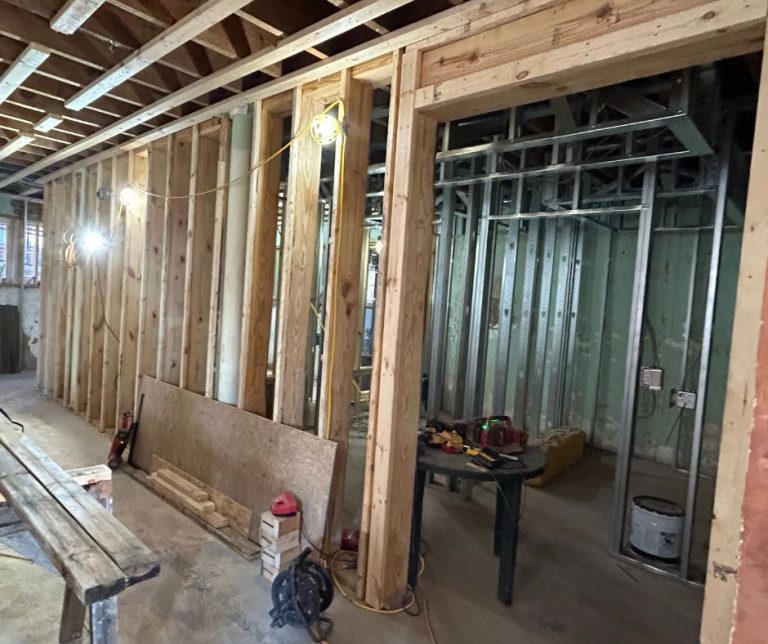
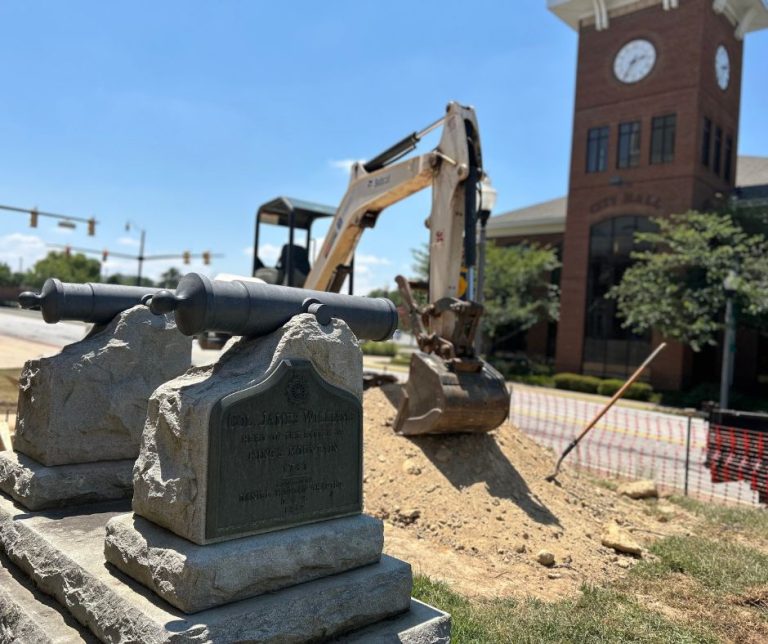
Rooted in the Carolina Rising Museum’s mission to preserve local history, the renovation process involved the careful preservation of the Carnegie Library’s original fabrics – including the building’s tin-type ceiling tiles, wooden floors, and renown window designs. Historic timing and electric mechanisms have been secured and preserved. Colonel James Williams’ grave and memorial remains undisturbed in the front lawn of the building. Check out the full photo gallery to view the construction process – from pouring foundational concrete to the installing of interior display cases.




April 18, 2026
Grand Opening
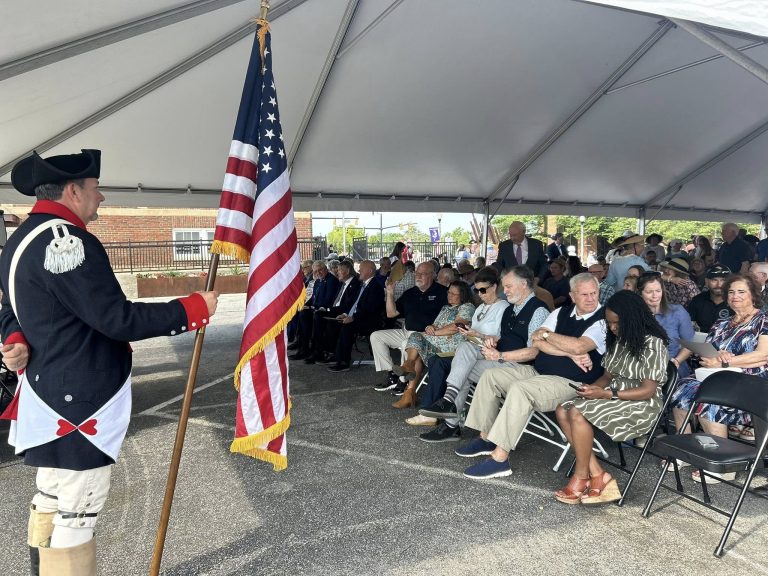
On April 18, 2026, history was made in Gaffney as Carolina Rising celebrated its Premiere Opening! Carolina Rising will open to public on May 1st, 2026! Don’t miss out on your chance to be one of the first to experience the tensions, emotions, decisions, and excitement of a backcountry divided by an impending war.